Written by Colleen Moore, RN, MSN, MHA, health and wellness coach
Peptides Pros and Cons
The Truth Behind the Fountain of Youth Hype
What are peptides pros and cons? We will discover them together in this article.
There comes a point for many women when it feels like the body they once knew has changed the rules.
You are eating better. Trying harder. Sleeping when you can. Making more of an effort than you did ten years ago. And still, the scale may not budge. Your energy may feel lower. Recovery takes longer. Your skin changes. Your belly seems to have its own agenda.
That is often when the promises start showing up.
You hear that peptides may help with weight loss. Help with aging. Help your body “act younger.” And suddenly they are being talked about like the missing piece no one told you about.
As a nurse, I think this is where we need to slow down and look at peptides with both curiosity and common sense.
Because peptides are not nonsense. But they are also not magic.
What are peptides?
Peptides are short chains of amino acids, which are the building blocks of protein. Your body naturally makes peptides every day. They help regulate many important functions, including hormones, appetite, metabolism, tissue repair, and cell signaling.
So when people talk about peptides, they are not talking about something completely foreign to the body. Peptides are part of normal human physiology.
That is one reason they have gained so much attention. The idea of using something the body already recognizes feels appealing, especially for people looking for support with aging, recovery, or weight management. One of the pros in the peptide pros and cons dispute.
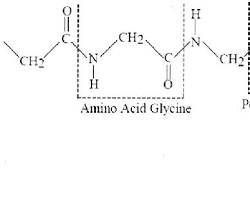
Peptides Pros and Cons: Why peptides get so much attention
Let’s be honest. Most people are not searching for peptides because they are fascinated by biochemistry.
They are searching because they are tired.
Tired of feeling older than they are.
Tired of struggling with stubborn weight.
Tired of doing all the “right” things and still not feeling like themselves.
That is where the fountain of youth messaging comes in.
Peptides are often marketed as if they can restore youth, melt fat, tighten skin, build muscle, improve energy, and solve everything that aging seems to bring.
That is where I think the conversation needs balance. More people need to look at peptides pros and cons before they make a decision if products are right for them.
Some peptide-based therapies do have real medical value. Some may offer meaningful support in the right situation. But the marketing around peptides often goes much further than the science.
The potential advantages of peptides
When used appropriately, peptides may offer some benefits depending on the type being used and the reason for using them.
1. The body already knows how to use them
Because the body naturally makes peptides, they are part of the body’s own communication system. That does not automatically make every peptide product safe or effective, but it does explain why they are so interesting from a health perspective.
2. Some peptides may support weight loss
This is one of the biggest reasons peptides are getting so much attention right now. Certain peptide-based therapies are used to support appetite regulation and metabolic function, which is why they often come up in conversations around medical weight loss.
3. Some may support healthy aging goals
Depending on the peptide, people use them in hopes of supporting recovery, skin health, body composition, and overall vitality. This is why peptides are often included in longevity and anti-aging conversations.
4. They may offer a more targeted approach
Many people are drawn to peptides because they are seen as more specific or strategic than simply taking random supplements and hoping for the best.
The disadvantages of peptides
This is the part that should never be skipped.
1. Peptides are often overhyped
This is probably my biggest concern. Peptides are not a fountain of youth. They are not a shortcut around nutrition, sleep, movement, and stress management. If someone is selling them like magic, that is your cue to be cautious.
2. Not all peptides are well studied
Some peptide-based therapies have stronger evidence behind them than others. Some are still surrounded by more marketing than meaningful long-term data.
3. Quality and source matter
This is huge. A reputable medical source is not the same as buying something online from a company with questionable standards. Purity, dosing, and safety matter. A lot.
4. There can be side effects
Like any therapy, peptides can come with downsides. Depending on the type, side effects may include digestive issues, irritation, discomfort, or other unwanted effects. More is not always better.
5. They are not right for everyone
Just because a peptide worked for someone else does not mean it is appropriate for every person. Health history, medications, goals, and medical supervision all matter.
My personal take on peptides pros and cons

My view is balanced.
I do think peptides may be helpful when they are used appropriately, for the right person, for the right reason, and from a reputable source. I can absolutely see why they are being explored in areas like aging support and weight loss.
But I also think the anti-aging industry has wrapped peptides in a lot of hype.
That is where people need to be careful.
Peptides should not replace the foundations of health. They should not be used casually because they are trendy. And they should never be chosen based on marketing alone.
The smarter approach is to ask better questions.
Which peptide are we talking about?
What is it supposed to do?
What evidence supports it?
Who is recommending it?
Where is it coming from?
And is it being used wisely?
That is a much safer conversation than simply asking whether peptides are “good” or “bad.”
Final thoughts
Peptides live in that space where real science and big marketing often collide.
Yes, the body makes peptides naturally.
Yes, some may have real benefits.
Yes, they may have a role in supporting certain people through the aging process and even in weight loss.
But no, they are not a miracle.
And no, they are not all created equal.
As with so many things in health, wisdom matters more than hype.
If peptides are used, they should be used thoughtfully, responsibly, and with guidance you trust.
Disclaimer:
This article is for educational and informational purposes only and is not intended as medical advice, diagnosis, or treatment. Always consult your licensed healthcare provider before starting any new supplement, peptide, or weight loss therapy.