Written by Colleen Moore, RN, MSN, MHA, health and wellness coach
Hidden Hunger:
Why You Can Eat Enough Food and Still Miss the Vitamins Your Body Needs
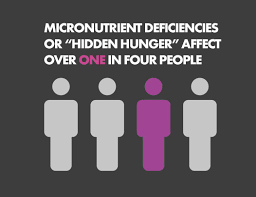
What if the real problem is not that people are eating too little, but that their food is giving them less than they think?
This is the unsettling idea behind hidden hunger. It means a person may be getting enough calories, yet still falling short on key vitamins and minerals. The World Health Organization (WHO) and Food and Agricultural Organization (FAO) describe hidden hunger as micronutrient deficiency, and note that it can quietly affect energy, mental clarity, immunity, and long-term health.
What if the real problem is not that people are eating too little, but that their food is giving them less than they think?
This is the unsettling idea behind hidden hunger. It means a person may be getting enough calories, yet still falling short on key vitamins and minerals. The World Health Organization (WHO) and FAO describe hidden hunger as micronutrient deficiency, and note that it can quietly affect energy, mental clarity, immunity, and long-term health.
We usually picture malnutrition as obvious hunger. But hidden hunger is harder to spot. Someone may be eating three meals a day and still not get enough vitamin D, magnesium, calcium, vitamin C, or other micronutrients. Research shows this is not just a problem in poorer countries. Studies of U.S. adults have found common inadequacies in nutrients such as vitamin D, magnesium, calcium, potassium, and sometimes vitamin C.
Part of the problem is modern eating. Many diets are heavy in processed, convenient foods that fill the stomach but do not always provide strong micronutrient value. Another concern is that some research has linked modern agricultural practices and declining soil quality to lower nutrient density in certain crops, meaning the food supply may look plentiful while delivering fewer nutrients than expected.
That is what makes hidden hunger so intriguing and so concerning. You can look “fine,” eat “normally,” and still feel tired, foggy, run down, or not quite right. The body notices what the plate does not show.
4 Problems With Solutions
1. Problem: We are full, but not always nourished
A high-calorie diet can still be low in micronutrients. Hidden hunger happens when meals provide energy but not enough vitamins and minerals for the body to work well. WHO notes that micronutrient deficiencies can reduce energy, mental clarity, and overall capacity even before severe disease appears.
Solution:
Build meals around nutrient-dense foods more often:
- colorful fruits and vegetables
- beans and legumes
- eggs
- dairy or fortified alternatives
- nuts and seeds
- fish and lean proteins
The goal is not just to eat enough. The goal is to eat foods that actually bring nutrients to the table.
2. Problem: Modern diets make hidden hunger easy to miss
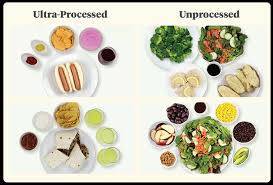
Ultra-processed foods are convenient, but they often crowd out whole foods that supply vitamins, minerals, and fiber. A person may eat enough to gain weight and still not meet micronutrient needs. Research on dietary inadequacy in adults shows this mismatch is common.
Solution:
Use a simple rule: try to make at least half your plate real food most of the time.
Think less about counting calories and more about asking, “What nutrients am I getting from this meal?”
3. Problem: Our food may not be as nutrient-rich as we assume

A growing body of research suggests that soil degradation, yield-focused farming, and changes in crop varieties may contribute to lower nutrient density in some foods. That does not mean fruits and vegetables are useless. Far from it. It means food quality matters, not just food quantity.
Solution:
Choose the best quality food you can access consistently:
- buy a variety of produce
- choose seasonal foods when possible
- include frozen fruits and vegetables if fresh is expensive
- support farms and food sources that prioritize soil health when you can
Variety matters because different foods bring different nutrients.
4. Problem: Some nutrient gaps are common and quiet
Many deficiencies do not scream for attention at first. They whisper. Low energy. Brain fog. Weaker immunity. Feeling flat. Inadequate intakes of vitamin D, magnesium, calcium, and potassium have been reported in large nutrition studies, and older adults may be especially vulnerable to low intakes of several micronutrients.
Solution:
Pay attention to patterns, not just dramatic symptoms. A food-first approach is best, but some people may need lab work, fortified foods, or supplements based on their diet, age, health status, or clinician guidance. NIH-backed reviews note that supplements can reduce inadequacies in some groups, though they are not a substitute for a healthy diet.
Conclusion
Hidden hunger is what happens when the body is fed, but not fully nourished.
That is why this issue matters so much. The food supply may look abundant. Plates may look full. But behind the scenes, the body may still be running short on the vitamins and minerals it needs to make energy, support immunity, protect bones, and keep the brain and body working well.
The good news is that hidden hunger is not hopeless. Better food choices, more variety, attention to nutrient density, smarter farming, fortification, and targeted supplementation when needed are all part of the answer.
The scary part is not that hidden hunger exists. The scary part is how easy it is to miss.
Discover simple ways to fight hidden hunger and support your body better.